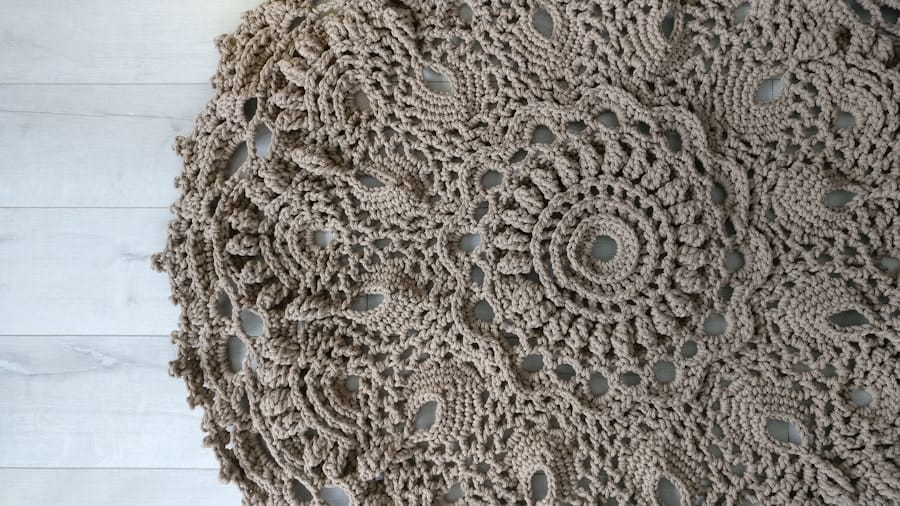
Crochet is a versatile and rewarding craft that allows you to create a wide range of projects, from cozy blankets to intricate garments. However, to achieve the desired results, it’s essential to have a solid understanding of the basic crochet stitches and the concept of tension. Mastering these fundamental elements will not only enhance the overall appearance of your crochet work but also make the process more enjoyable and efficient.
The importance of understanding the basic crochet stitches and their structure cannot be overstated. Each stitch, such as the single crochet, double crochet, and treble crochet, has a unique construction that affects the final texture and drape of your project. By familiarizing yourself with the anatomy of these stitches, you’ll be able to make informed decisions about which ones to use in different situations, ensuring that your crochet pieces have the desired look and feel.
Exploring the concept of tension and its impact on the overall appearance of your crochet work is equally crucial. Tension refers to the tightness or looseness of the stitches, and it can significantly influence the shape, size, and consistency of your crochet pieces. Maintaining consistent tension throughout your project is key to achieving a professional-looking result. Techniques such as holding the yarn in a specific way, adjusting the tension of your stitches, and practicing different stitch patterns can all contribute to developing a feel for proper tension.
Key Takeaways
- Understanding crochet stitches and tension is crucial for perfecting rounds and rows.
- Master the magic circle technique for seamless rounds in your crochet projects.
- Consistent stitch counts in rows are essential for a polished finished product.
- Learn techniques for turning corners neatly to elevate the look of your crochet work.
- Prevent uneven edges and wavy rows by implementing the right methods and tools.
Mastering the Magic Circle for Seamless Rounds
One of the most important techniques for creating seamless rounds in crochet is the magic circle, also known as the magic ring or adjustable loop. This method allows you to start your project with a tight, even round, which is particularly useful for creating amigurumi (crocheted stuffed toys), hats, and other circular pieces.
The magic circle technique involves creating a loop with the yarn and working the first round of stitches directly into this loop. This approach eliminates the need for a traditional starting chain, which can sometimes result in a visible gap or hole at the center of your work. By mastering the magic circle, you’ll be able to create a seamless and professional-looking starting point for your crochet projects.
To execute the magic circle effectively, it’s important to follow the step-by-step instructions carefully and practice the technique until it becomes second nature. Strategies for maintaining a tight and even starting round, such as adjusting the tension of the loop and working the stitches evenly, can help you achieve consistent results. Additionally, troubleshooting common issues with the magic circle, such as the loop becoming too loose or the stitches not lining up properly, and learning how to overcome them will further enhance your crochet skills.
Maintaining Consistent Stitch Counts in Rows
Achieving consistent stitch counts in your crochet rows is crucial for creating neat, uniform, and well-structured projects. Maintaining accurate stitch counts not only ensures that your pieces have a polished appearance but also makes it easier to follow patterns and execute increases, decreases, and other shaping techniques.
The importance of keeping track of stitch counts cannot be overstated. Whether you’re working on a simple scarf or a complex garment, having a keen eye for stitch counts will help you avoid common issues such as uneven edges, wavy rows, and unexpected sizing discrepancies. Techniques for counting stitches accurately, including the use of stitch markers, can be invaluable in maintaining the desired stitch count throughout your project.
Strategies for managing increases and decreases to maintain the correct stitch count are also essential. Understanding how to properly execute these techniques, while ensuring that the stitch count remains consistent, will allow you to create seamless and well-proportioned crochet pieces. By practicing row-based projects and developing a keen eye for consistent stitch counts, you’ll be able to take your crochet skills to the next level and produce professional-looking results.
Techniques for Turning Corners Neatly
Turning corners in crochet can be a challenging aspect of the craft, but mastering the techniques can elevate the overall appearance of your projects. Whether you’re working on a square, a rectangular piece, or a more complex shape, understanding the mechanics of turning corners and applying the right strategies can make a significant difference in the final result.
Exploring different methods for turning corners, such as the chain-turn and the slip-stitch turn, can help you find the approach that works best for your specific project and personal preferences. Each technique has its own advantages and considerations, and understanding the nuances of each can help you make informed decisions about which one to use.
Strategies for maintaining a clean and crisp corner appearance, such as carefully managing tension, maintaining consistent stitch placement, and practicing the turning technique on various project types, are essential for refining this skill. By developing a deep understanding of the mechanics involved in turning corners, you’ll be able to create crochet pieces with sharp, well-defined edges that showcase your attention to detail.
Preventing Uneven Edges and Wavy Rows
| Technique | Tip |
|---|---|
| Starting a round | Use a magic ring for a seamless start |
| Joining rounds | Slip stitch to the first stitch to join the round |
| Working in continuous rounds | Avoid joining and work in a spiral for seamless projects |
| Counting stitches | Use stitch markers to keep track of your rounds |
Achieving straight, even edges and consistent row formation is a common challenge for crochet enthusiasts, but with the right techniques and strategies, you can overcome these issues and create beautifully structured crochet pieces.
Identifying the common causes of uneven edges and wavy rows, such as inconsistent tension, improper stitch placement, and the accumulation of small errors over time, is the first step in addressing these problems. By understanding the underlying factors that contribute to these crochet challenges, you can then explore effective techniques for maintaining straight and even edges, including the use of stitch markers and careful tension management.
Strategies for managing tension and stitch placement to minimize waviness in your rows are also crucial. Experimenting with different methods, such as adjusting the way you hold the yarn or trying alternative stitch patterns, can help you find the approach that works best for your personal crochet style. Engaging in exercises and practice projects specifically designed to develop a consistent edge and row formation will further hone your skills and build your confidence in creating crochet pieces with a professional, polished appearance.
Increasing and Decreasing Stitches with Precision

Mastering the techniques for increasing and decreasing stitches is a fundamental skill in crochet, as it allows you to shape your projects, create shaping and structure, and achieve the desired size and fit. Understanding the purpose and methods for increasing and decreasing stitches, as well as developing strategies for executing these techniques with precision, can significantly enhance the overall quality and appearance of your crochet work.
Exploring different methods for increasing and decreasing stitches, such as the invisible decrease or the strategic placement of additional stitches, can provide you with a versatile toolkit to tackle a wide range of crochet projects. By understanding the nuances of each technique, you’ll be able to choose the most appropriate approach based on the specific requirements of your project and the desired visual outcome.
Strategies for planning and executing increases and decreases seamlessly, such as carefully tracking stitch counts, maintaining consistent tension, and practicing various increase and decrease patterns, are essential for achieving professional-looking results. Engaging in targeted exercises and practice projects will help you build confidence and skill in this crucial aspect of crochet, empowering you to tackle more complex designs and create crochet pieces that fit and drape beautifully.
Troubleshooting Common Crochet Mistakes
Crochet, like any craft, is not without its challenges, and being able to identify and address common crochet mistakes is a valuable skill that can help you overcome obstacles and continue to improve your skills. By developing a problem-solving mindset and learning effective techniques for troubleshooting, you’ll be better equipped to tackle crochet challenges and produce high-quality, consistent results.
Identifying and addressing common crochet mistakes, such as dropped stitches, uneven tension, and inconsistent stitch counts, is the first step in troubleshooting. Understanding the root causes of these issues and exploring strategies for fixing them can help you prevent them from occurring in the future and maintain the integrity of your crochet projects.
Techniques for identifying the underlying causes of crochet problems, such as carefully examining your work, following the pattern instructions closely, and experimenting with different approaches, can provide valuable insights and guide you towards effective solutions. Developing a problem-solving mindset, where you approach challenges with patience, creativity, and a willingness to learn, will empower you to tackle crochet issues with confidence and continue to improve your skills over time.
Blocking and Finishing Touches for a Professional Look
Completing a crochet project is an immensely satisfying experience, but the final step of blocking and adding finishing touches can truly elevate the overall appearance and quality of your work. Understanding the importance of blocking and mastering the techniques for properly finishing your crochet pieces can make a significant difference in the final result.
Blocking, the process of gently manipulating and shaping your crochet work, is a crucial step that can dramatically improve the drape, texture, and overall look of your project. By providing step-by-step instructions for blocking various crochet pieces, such as flat items like afghans and scarves, as well as three-dimensional shapes like hats and amigurumi, you can empower readers to take their crochet projects to the next level.
In addition to blocking, exploring additional finishing techniques, such as weaving in ends, adding decorative elements, and properly seaming or joining pieces, can contribute to a professional-looking final product. These small but impactful details can make a significant difference in the overall aesthetic and quality of your crochet work, showcasing your attention to detail and dedication to the craft.
Discussing the benefits of taking the time to properly finish your crochet projects, including improved durability, enhanced visual appeal, and a sense of accomplishment, can encourage readers to embrace this essential step and take pride in their handmade creations.
Practicing and Developing Your Crochet Confidence
Consistent practice and a positive, patient mindset are the keys to continuously improving your crochet skills and building unshakable confidence in your abilities. By emphasizing the importance of regular practice and encouraging readers to experiment with different patterns and techniques, you can empower them to expand their crochet repertoire and push the boundaries of their creativity.
Practicing crochet on a regular basis, whether it’s working on new projects, revisiting familiar patterns, or trying out challenging techniques, is the surest way to develop muscle memory, refine your tension control, and gain a deeper understanding of the craft. Encouraging readers to track their progress and celebrate small victories along the way can help foster a sense of accomplishment and motivate them to keep pushing forward.
Fostering a positive and patient mindset is equally crucial in the journey of improving crochet skills. Acknowledging that challenges and setbacks are a natural part of the learning process, and providing strategies for overcoming them, can help readers develop resilience and a growth mindset. Suggesting ways to approach crochet with a spirit of exploration, curiosity, and self-compassion can empower readers to embrace the learning process and find joy in their crochet journey.
By emphasizing the importance of consistent practice, experimentation, and a positive mindset, you can inspire readers to level up their crochet skills with confidence and determination, ultimately leading to the creation of beautiful, professional-looking crochet pieces that they can take pride in.
FAQs
What are some tips for perfecting crochet rounds and rows?
Some tips for perfecting crochet rounds and rows include using stitch markers to keep track of your rounds, counting your stitches at the end of each round, and using the correct tension to ensure even and consistent stitches.
How can I improve my tension when crocheting rounds and rows?
Improving your tension when crocheting rounds and rows involves practicing to find the right balance between too tight and too loose. You can also try using a smaller or larger crochet hook to achieve the desired tension.
What are some common mistakes to avoid when crocheting rounds and rows?
Common mistakes to avoid when crocheting rounds and rows include skipping stitches, adding or dropping stitches unintentionally, and not maintaining consistent tension throughout the project.
Why is it important to count stitches at the end of each round?
Counting stitches at the end of each round is important to ensure that you have the correct number of stitches and to catch any mistakes early on. It helps maintain the shape and size of your project and ensures that it turns out as intended.
How can stitch markers help with crocheting rounds and rows?
Stitch markers can help keep track of the beginning and end of each round, mark specific stitches or sections, and prevent mistakes such as skipping or adding stitches. They are especially useful for projects with multiple rounds or complex patterns.